White Sands National Park: Everything You Need to Know Before You Go
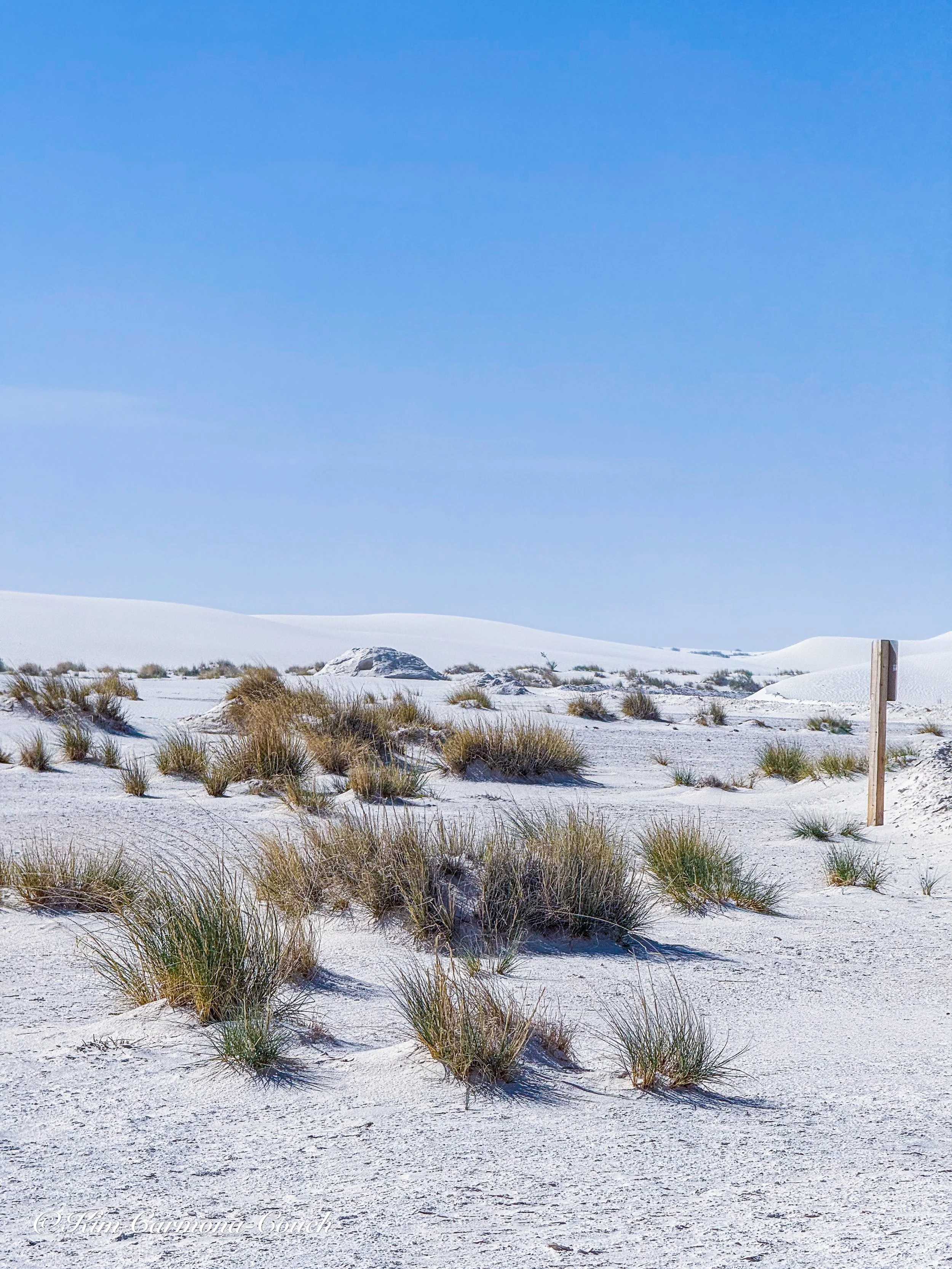
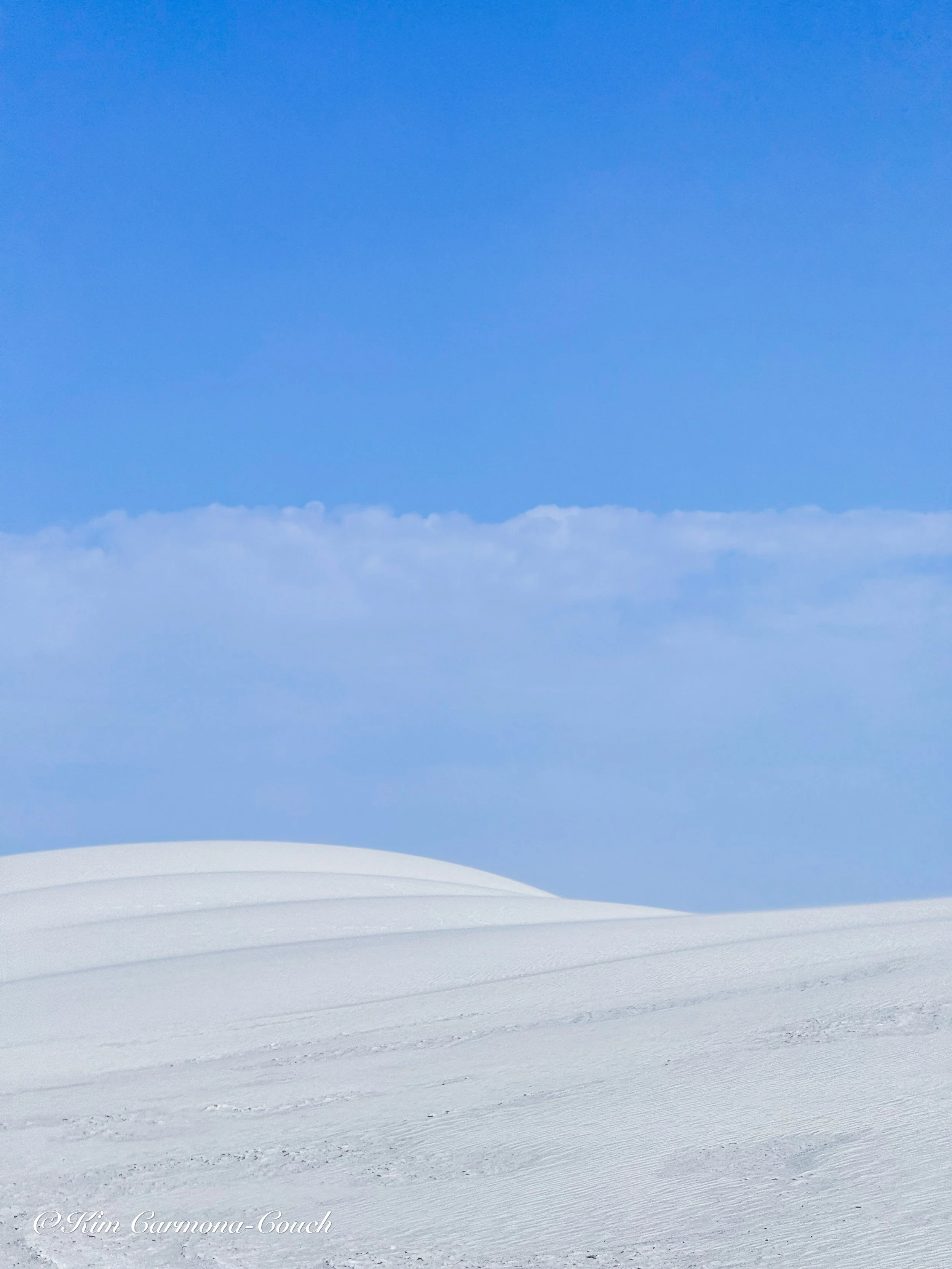
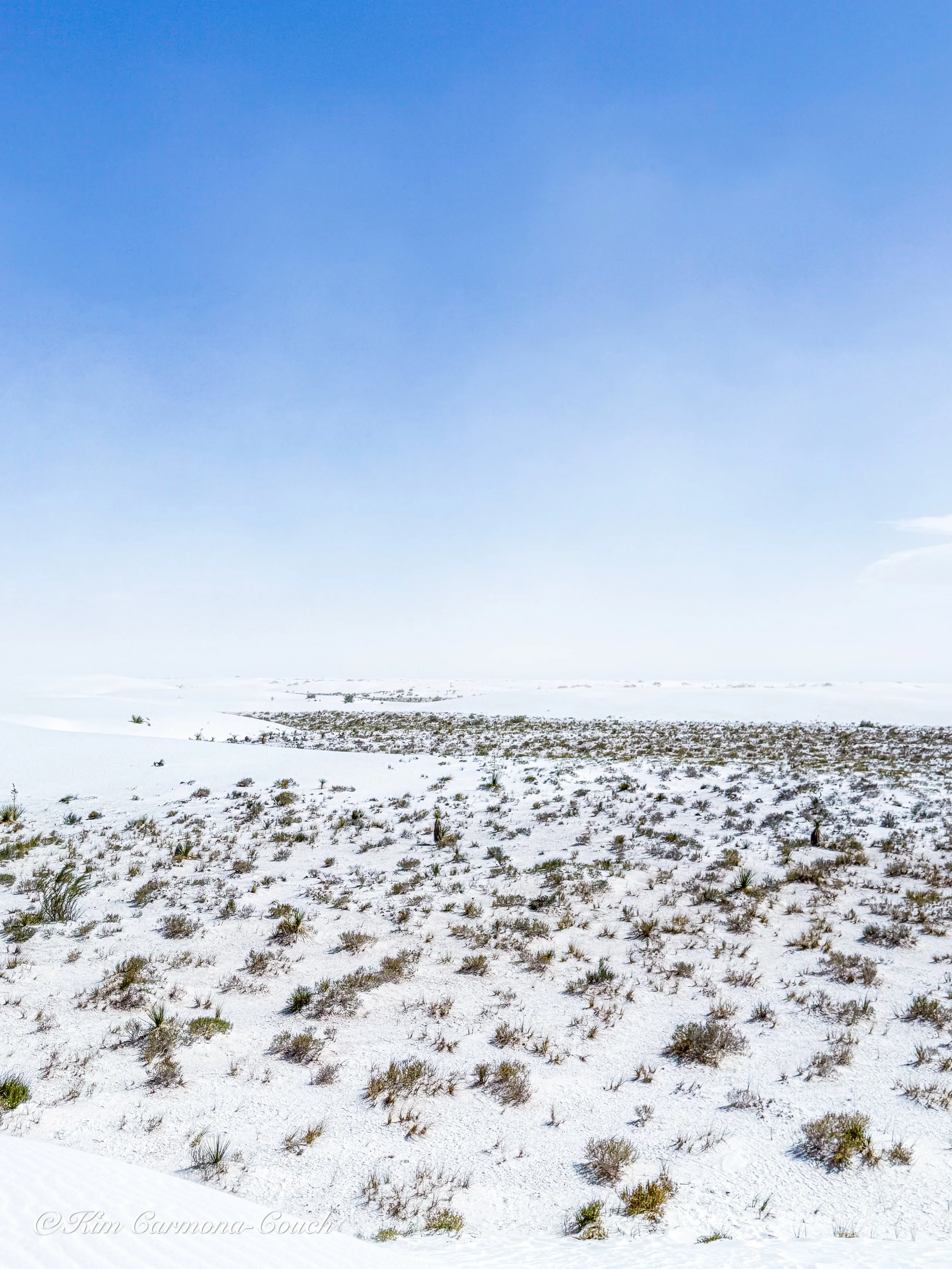
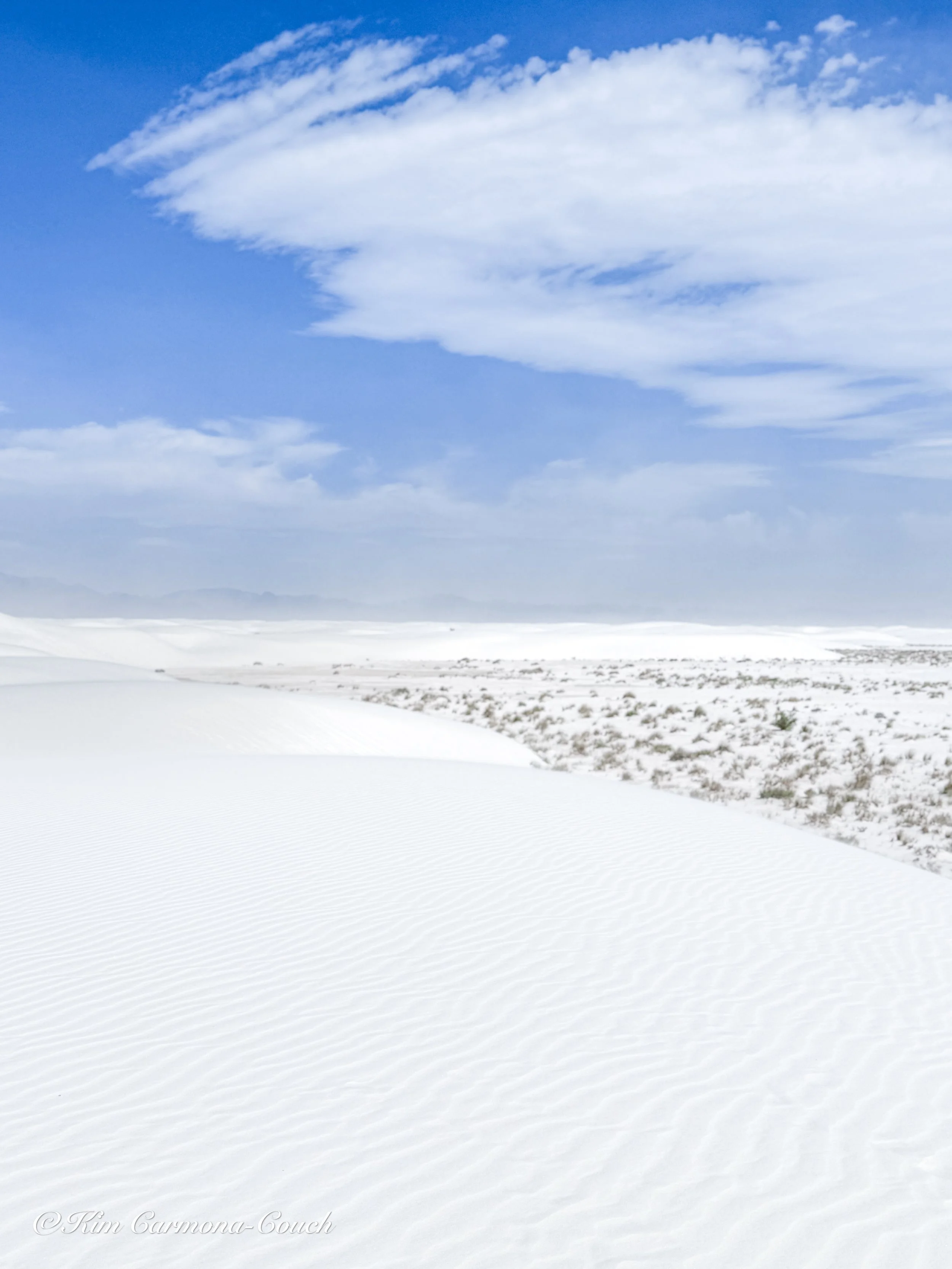
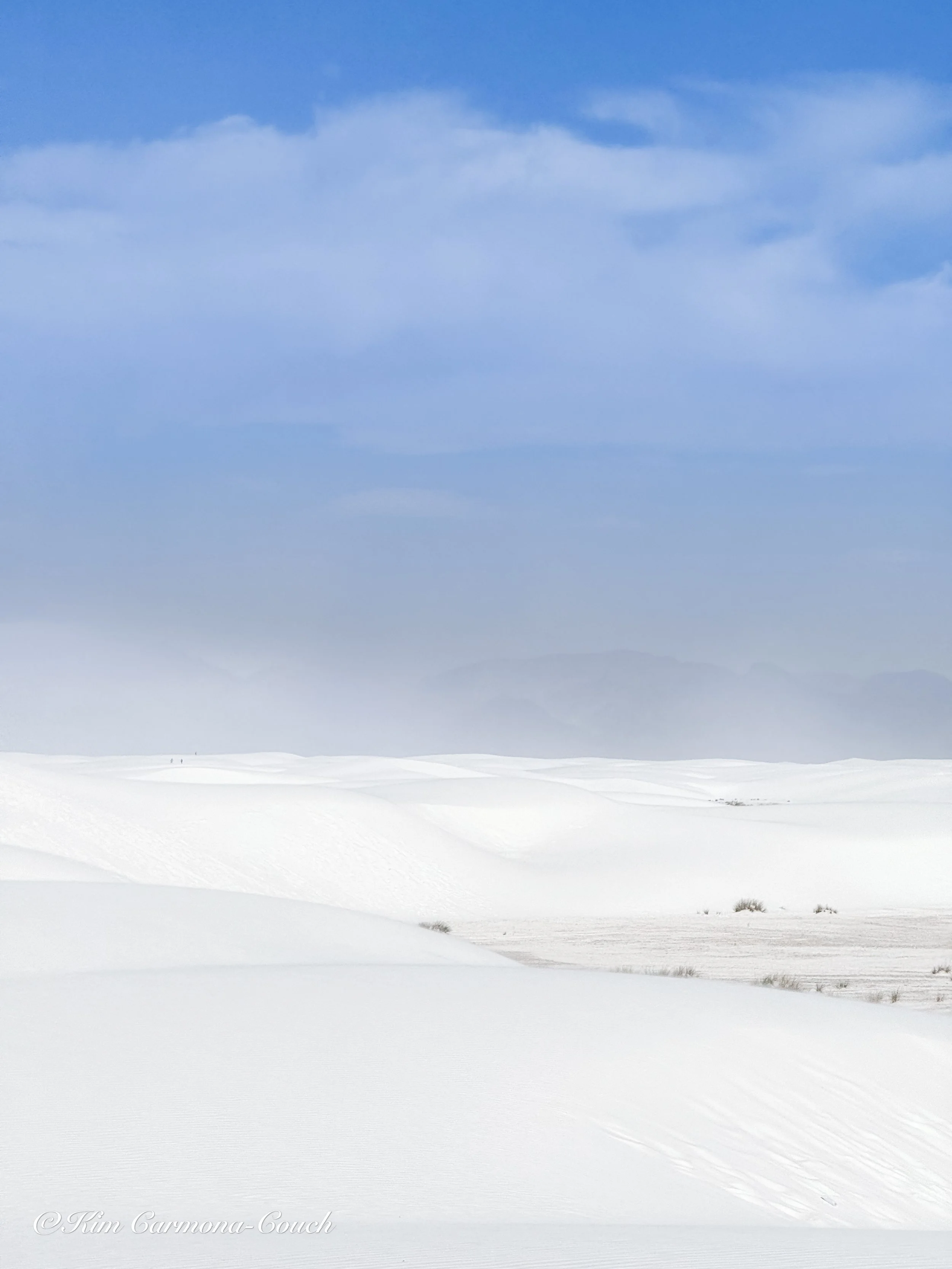
White Sands National Park is one of those places that does not look real in photos and looks even less real in person. I was not prepared for how white it actually is — not ivory, not off-white, genuinely white in a way that makes the surrounding mountains look like they are floating. It is stunning, slightly surreal, and absolutely worth planning your trip around.
We visited on June 28th, driving from our Airbnb in Cloudcroft down into the park for the day. Here is everything worth knowing before you go.
What Makes White Sands So Special
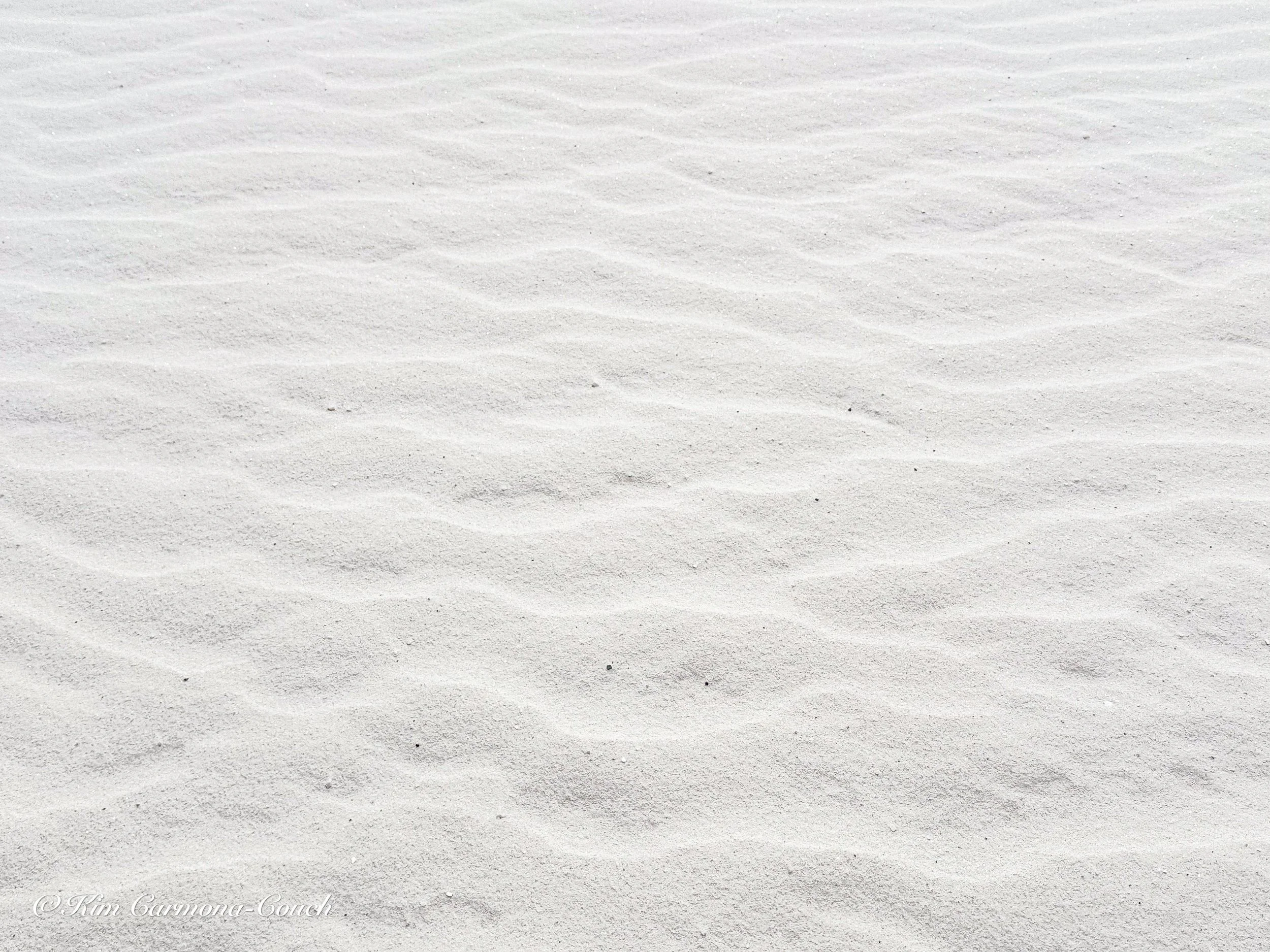
White Sands is the largest gypsum dune field on Earth, covering 275 square miles of the Tularosa Basin in southern New Mexico. Most sand dunes in the world are made of quartz. These are not. The dunes here are made almost entirely of gypsum — a soft mineral that rarely exists in dune form because it dissolves in water and typically gets washed out to sea. The Tularosa Basin has no outlet to the ocean, so the gypsum stays put and, over thousands of years, has built into the otherworldly landscape you see today.
One of the most surprising things about White Sands is that despite temperatures hitting triple digits in summer, the sand itself stays cool to the touch. Gypsum reflects rather than absorbs the sun's energy, which means you can walk barefoot on the dunes even in the middle of the afternoon. The dunes also shift constantly — some moving up to 30 feet a year — which means the park actually has to plow roads clear of drifting gypsum the same way you would plow snow.
And if that is not wild enough, some of the oldest human footprints ever discovered in North America were found here, dating back roughly 21,000 years. This place has been remarkable for a very long time.
White Sands is sometimes compared to Great Sand Dunes National Park in Colorado, but they are quite different. Great Sand Dunes has much taller, tan-colored dunes and cooler temperatures. White Sands is pure white gypsum, at a lower elevation, significantly hotter in summer, and the color and landscape exist nowhere else in the world. Both are worth visiting, but they are not the same experience.
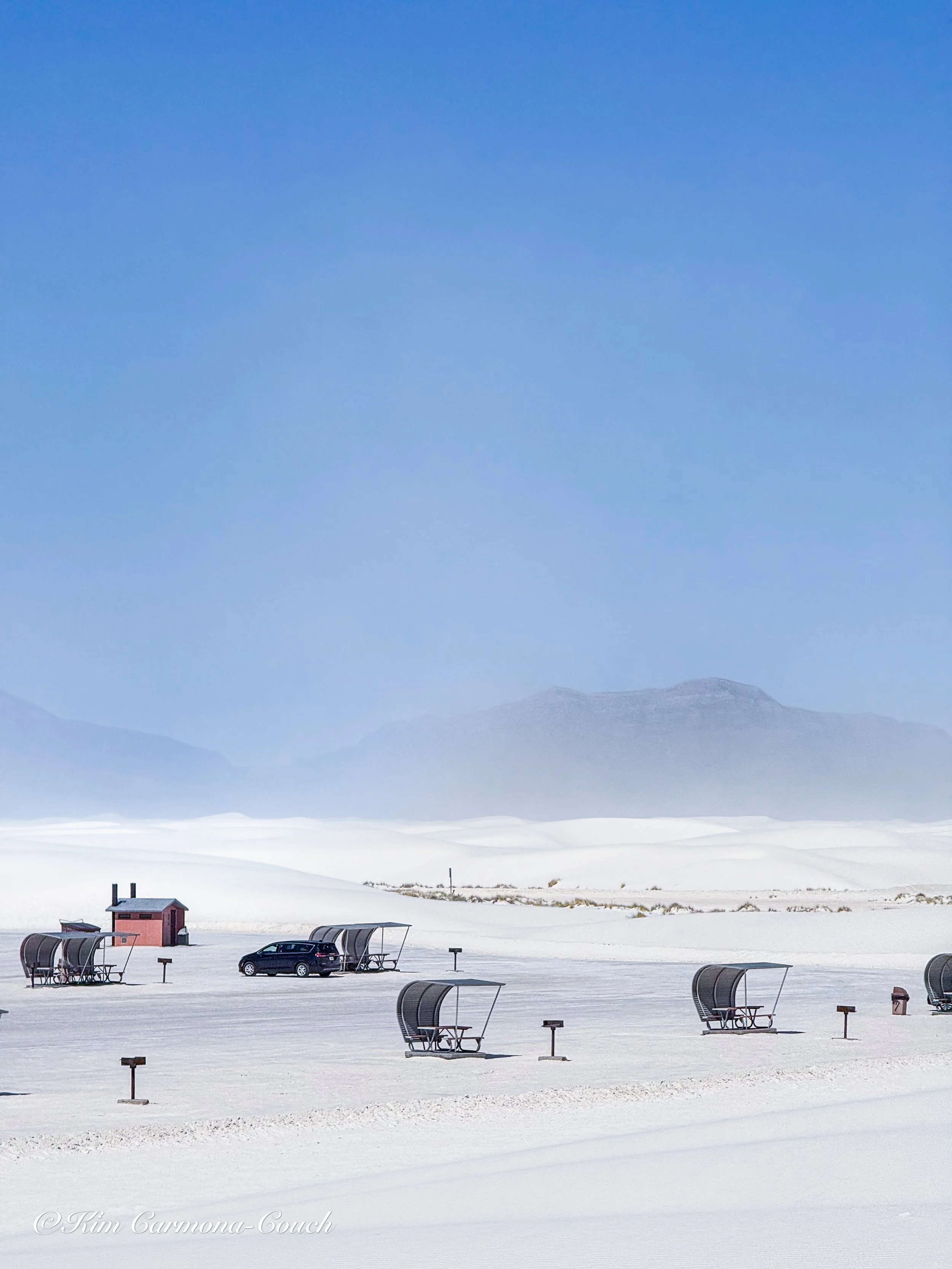
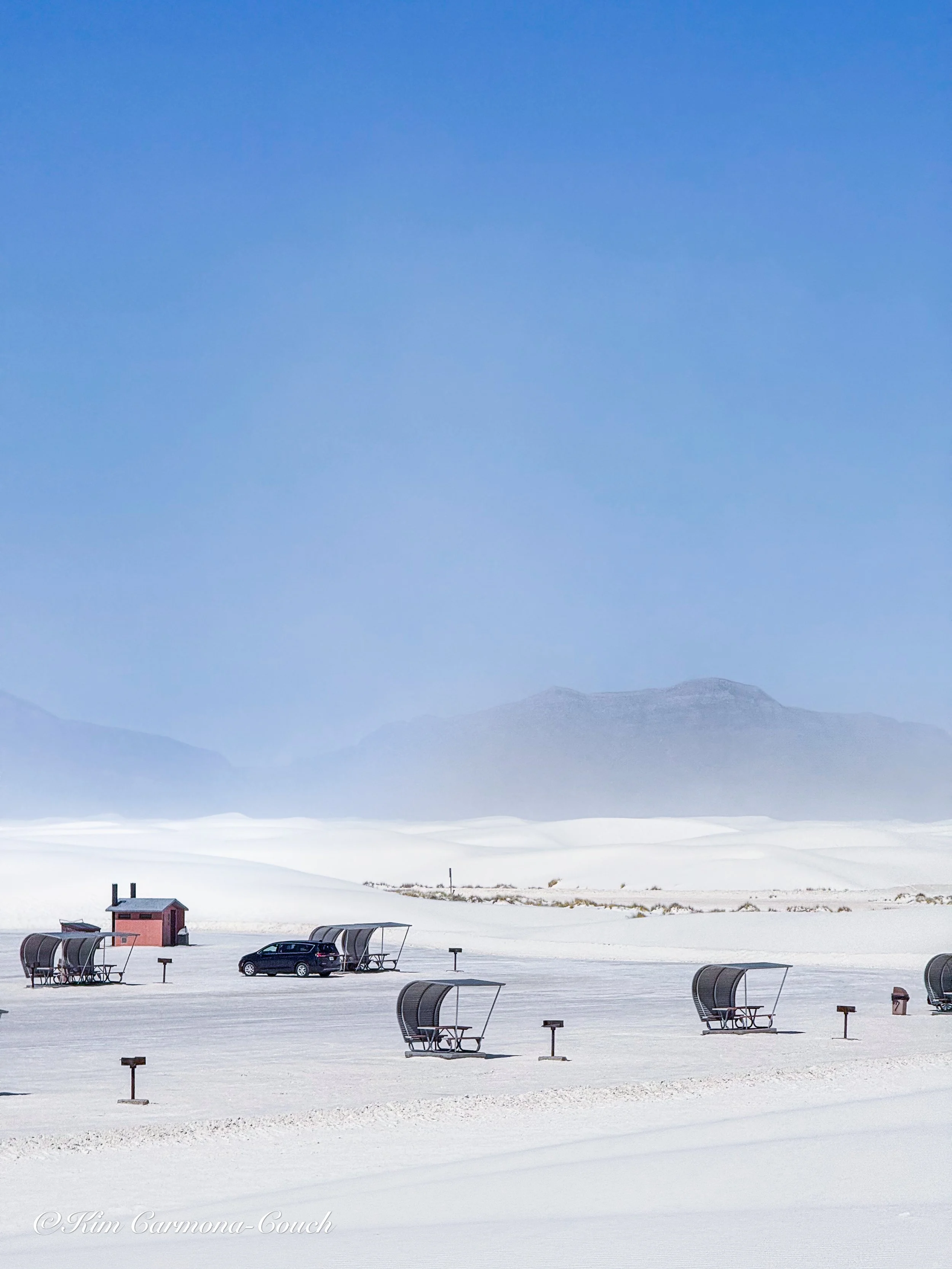
I took this photo from the top of the sand dune. There are trash bins, bathrooms and picnic areas that make good spots to park the car, and sled down the dunes.
Getting There and Where to Stay
White Sands is located near Alamogordo, New Mexico. If you are road tripping through the state, it sits naturally between Carlsbad and other southern New Mexico stops.
The drive into the park starts on a paved road, with sand dunes at the entrance. Then the road turns to sand, the white dunes appear, and it feels like you are in a different place. Keep going past the entrance. The views get better the further you drive.
As for where to stay, I highly recommend Cloudcroft over Alamogordo if you are visiting in the summer. Cloudcroft sits at an elevation of around 9,000 feet in the mountains above the basin and is noticeably cooler than the desert floor below. The drive down to White Sands is a little longer, but the temperature difference at the end of the day is remarkable. We stayed in an Airbnb up there, and it made the whole experience so much more comfortable.
On the drive from Cloudcroft to White Sands, there is a scenic overlook where you can see the white dunes against the mountains from above. That view alone is worth the drive from Cloudcroft. It gives you a perspective you cannot get from inside the park. Pull over and take a look.
Go Early
This is the most important tip I can give you. We grabbed breakfast from a local restaurant in Cloudcroft and ate it at the visitor center before heading into the dunes. We were second in line to rent a sled, and by the time noon rolled around, we were done and heading out before the worst of the heat hit. In late June, the temperatures were well into the triple digits, and the afternoon sun on white sand was relentless. Going early means cooler temperatures, softer light for photos, and shorter lines for sled rentals.
Sledding
Do it. Even if it sounds touristy, do it. We found a section of the park with covered picnic tables, parked next to one, unloaded our cooler with waters, and spent a few hours sledding down the dunes. We took turns going over the dunes, so we always knew where each other was — a good call since the dunes all start to look the same once you are in them.
Rent the wooden sled at the park, even though it is more expensive than the plastic ones. It is significantly faster, more fun, and worth every extra dollar. And get the wax. Do not debate this with the attendant. Just get the wax.
Beyond Sledding
The park also has hiking trails, and the park service runs ranger-led hikes — check the calendar on the National Park Service website before you go because availability and timing vary, especially in summer. We skipped the hikes because of the heat, but on a cooler day they would absolutely be worth doing.
After sledding, we drove and walked around different sections of the park just to take it all in. The views of the San Andres Mountains from inside the white dunes are genuinely incredible. Give yourself time to just wander and look around.
What to Bring
Sunglasses are not optional. The sun reflecting off the white sand is a level of brightness your eyes are not prepared for. Bring them and wear them the entire time.
Fill up your water at the fountain at the visitor center before heading into the park. There is no water available anywhere else in the park, so use it. Bring more water than you think you need — the heat and the dry air will get to you faster than you expect.
Wind gusts can be strong. Just worth knowing before you go.
Leave No Trace
White Sands is one of the most unique landscapes in the world. Pack out everything you bring in and stay in designated areas when you can. The dunes are fragile and worth protecting.
One Last Thing
There are snake warning signs at the visitor center. Eyes are open out there. We did not see a rattlesnake, but I did see a long snake crossing the path I was walking on. That was enough to keep me paying attention.
White Sands is one of the most beautiful places I have photographed. The white dunes, blue sky, and distant mountains make a combination you will not find anywhere else. Go early, rent the wooden sled, get the wax, and give yourself time to take it all in.
It is worth the drive from wherever you are.